Offered for your contemplation — the Face of Jesus (Photo: Paul Badde)
We contemplate many things in the course of our day, and can make choices about what we give our attention to. Opening up a computer, or turning on a television or radio is an invitation for something, good or bad, to fill our eyes, ears, and souls.
Recently I learned about the creation of something called the “Metaverse,” a technology that people can use to experience with others a virtual reality. It is proposed as something beyond games and entertainment, but as an alternative to the universe we actually live in. The thought of such a thing fills me with an instinctive revulsion. The universe, created to be good, beautiful and true by God is worth contemplating as a hint of the good, truth, and beauty of the Face of the Creator. But the metaverse, rejecting that reality, offers instead a mask of non-reality, behind which is not a face, but an empty void. It is a rejection of God and His Creation.
What we are looking at matters. What we listen to matters. It’s not an understatement to say that the world is increasingly losing its grip on reality because it is no longer seeking the Face of God. It is running headlong off a cliff in pursuit of things to take the place of God; soul-destroying idols. Evil proposes, in a very seductive way naturally, that humanity contemplate the soul-less idols because they will separate us from God. God, on the other hand, proposes that we gaze upon the Face of His Son, Jesus Christ, who will unite us to Himself.
St. Therese
“We become what we contemplate. One who contemplates disfigured things becomes inwardly disfigured. One who contemplates transfigured things becomes inwardly transfigured. One who contemplates the all-beautiful Face of the Incarnate Word will be supernaturally beautified.”
“Our Lady, in whose face – more than any other creature – we can recognize the features of the Incarnate Word.” –Pope Benedict XVI
The Feast of Mary, Mother of God
In God’s beautiful design, the Christmas liturgy continues at the beginning of the New Year by drawing us to the Face of Christ with three holy feast days. All three are tied together by a common, yet golden thread–A mother, sharing her precious Son with us, so we may see His Face.
We begin on January 1, with the Feast of Mary, Mother of God, who teaches us how to contemplate the Face of her Son by seeing the reflection of His beauty and goodness in her face. On the Solemnity of the Mother of God, Pope Francis said, “Begin the year recalling God’s goodness in the maternal face of Mary.” We see Jesus more clearly through His Mother’s eyes, especially when we pray the Rosary.
The first reading for this feast day is the priestly blessing on God’s chosen people from the book of Numbers:
The LORD said to Moses: “Speak to Aaron and his sons and tell them: This is how you shall bless the Israelites. Say to them: The LORD bless you and keep you! The LORD let his face shine upon you, and be gracious to you! The LORD look upon you kindly and give you peace! So shall they invoke my name upon the Israelites, and I will bless them.” (Num 6:22-27)
May Our Lord grant us His blessing in the New Year through intercession the Blessed Virgin Mary, Mother of God. As the Incarnation of the Son of God came into the world by the power of the Holy Spirit, at Mary’s “Fiat,” through her prayers, may we obtain the grace to contemplate His Holy Face, andreceive God’s greatest gift of peace.
The next holy feast, is…
The Feast of the Holy Name of Jesus
In sacred scripture the Angel Gabriel revealed the Holy Name of the Savior of mankind to the Blessed Virgin Mary: “You shall call His name Jesus.”
When Jesus was named, Satan was disarmed!
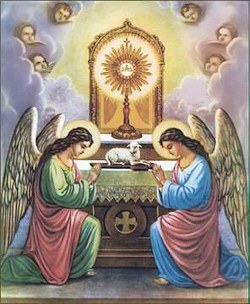
Mary, Mother of the Most Blessed Sacrament
Pope Emeritus Benedict XVI teaches us, The expression “name of God” means God as He Who is present among men. His name, is the concrete sign of His Existence. The Hebrew term, “panim”, which means “face” means to see The Face of God, or the presence of God. “Panim” is a term that describes relationships. The Hebrew word “shem” meaning “name” is also a term of relationship. “Panim” is also the Hebrew word for “Face of God” and the same word is used for “Bread of the Presence” or “Bread of the Face.” (Exodus 25:30) The “Bread of Presence” mentioned in Exodus was not the actual Face of God, but the earthly sign of His Face. The Eucharist, instituted by Christ, however, is the actual Body, Blood, Soul and Divinity of Jesus. When we are gazing at the Eucharist, the sign of God’s love for us, in Adoration, we see His Holy Face veiled in the appearance of bread, and in doing so, we give honor to His Holy Name.
Who had a more tender relationship of love with Jesus than his mother Mary? Who spoke His name more lovingly? God has a Face and a Name — It is Jesus Christ, our Redeemer! The Blessed Mother invites us to rejoice in the splendor of His Face, and contemplate the mystery of His Holy Name by entering into a relationship with her Son Jesus, especially in the Most Holy Sacrament of the Eucharist.
“To rejoice in the splendor of His Face means penetrating the mystery of His name made known to us in Jesus, understanding something of His interior life and of His will, so that we can live according to His plan for humanity. Jesus lets us know the hidden Face of The Father through His human Face; by the gift of The Holy Spirit poured into our hearts. This,is the foundation of our peace, which nothing can take from us.” –Pope Benedict XVI
Blessed the Lord, O my soul, and let all that is within thee bless His Holy Name. Bless the Lord, O my soul, and never forget all He hath done for thee. (Ps. ci. i,2)
And the third great holy day drawing us to adore the Holy Face is…
Adoration of the Magi, Giotto, 1302
The Feast of the Epiphany
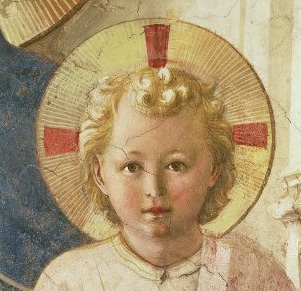
The Epiphany is closely linked to the Holy Face, as the Blessed Virgin Mary, Queen and mother, presents her Son, the King of Kings, to the Magi–because the Epiphany is the feast on which Jesus Christ first shows Himself to the world represented by the Magi–and He shows Himself through a human face, the face of an infant. On the feast of the Epiphany, we ask God to shine His Face upon us, to reveal His Face to us once more as we come before Him in adoration, so that, like the Blessed Virgin Mary, we may also reflect the light of His Face to the world.
“May the Lord grant that in the new millennium, the Church will grow ever more in holiness, that she may become in history a true epiphany of the merciful and glorious Face of Christ the Lord.” — Pope St. John Paul II at the Closing of the Holy Door, January 6, 2001
“The time came for Mary to be delivered. And she gave birth to her first-born son and wrapped him in swaddling clothes, and laid him in a manger, because there was no room for them in the inn.” (Lk 2:61f.).
At your door is a poor man with a small, young woman who is about to give birth. They won’t take up much space, all they ask for is shelter. Does your mind begin to calculate? “They are strangers, the house is a mess, it’s full of visiting relatives, I’ll have to get more food, I’m tired, it’s late…” The excuses are innumerable, but have pity! Surely, there is a small space somewhere for them to enter in.
The God of the Universe became incarnate in the womb of the Virgin Mary — a very small space — He needed only her “yes”. Say yes to Him, like Mary, allow the Word Incarnate to enter into your heart. Make room for Jesus. Take the cross you have been carrying and give it to Him. He will transform it into a manger, that will be a space for Him to lay His head. Wait then, in silence, together with Mary, and soon you will have the joy of gazing tenderly on the holy face of the Infant Jesus in the manger of your soul.
“The contemplation of Christ has an incomparable model in Mary. In a unique way the face of the Son belongs to Mary. It was in her womb that Christ was formed, receiving from her a human resemblance which points to an even greater spiritual closeness. No one has ever devoted himself to the contemplation of the face of Christ as faithfully as Mary. The eyes of her heart already turned to him at the Annunciation, when she conceived him by the power of the Holy Spirit. In the months that followed she began to sense his presence and to picture his features. When at last she gave birth to him in Bethlehem, her eyes were able to gaze tenderly on the face of her Son, as she ‘wrapped him in swaddling cloths, and laid him in a manger’ (Lk2:7).” (Pope St. John Paul II, Rosarium Virginis Mariae)
During Advent the Church celebrates the longing to see God’s Face, together with the Blessed Virgin Mary, with a Triduum (three days of prayer beginning on December 15) and a Feast (on December 18th)–It is called The Feast of the Expectation of the Blessed Virgin Mary, Longing to See His Face. (a bit of the history may be found here.) The prayer may also be continued until Christmas.
The Expectation of the Blessed Virgin Mary
On the days leading up to Christmas we are invited to contemplate, together with Mary, the Divine Child within her womb, who is Our Savior. We too, through sanctifying grace, bear the supernatural image of God within us. Like Mary, we desire to become a peaceful sanctuary for the living God. We are called to be attentive, in prayer, to the faint stirrings of His presence in our hearts, which will fill us with a deep longing to see His Face as we pray:
Prayer for the Triduum and Feast of the Expectation of the Blessed Virgin Mary, Longing to See His Face
“Mary, your life with Jesus was one of the purest, most fervent, most perfect emotions of longing and most eager expectation of the Birth of the Divine Child! How great must have been that longing! You were longing to see the Face of God and to be happy in the vision. You were soon really to see the Face of God, the created image of divine perfection, the sight of which rejoices heaven and earth, from which all being derive life and joy; the Face whose features enraptured God from all eternity, the Face for which all ages expectantly yearned. You were to see this Face unveiled, in all the beauty and grace as the face of your own child.
Most just indeed it is, O Holy Mother of God, that we should unite in that ardent desire which you had to see Him, who had been concealed for nine months in your chaste womb; to know the features of this Son of the heavenly Father, who is also your own; to come to that blissful hour of His birth, which will give glory to God in the highest, and on earth, peace to men of good will. Yes, dear Mother, the time is fast approaching, though not fast enough to satisfy your desires and ours. Make us re-double our attention to the great mystery; complete our preparation by your powerful prayers for us, so that when the solemn hour has come, our Jesus may find no obstacle to His entrance into our hearts. Amen.” (Prayer by Rev. Lawrence Lovasik, S.V.D.)
Virgin in Prayer
Artist: Sassoferrato
1640-50
Advent

I live my Advent in the womb of Mary.
And on one night when a great star swings free
from its high mooring and walks down the sky
to be the dot above the Christus i,
I shall be born of her by blessed grace.
I wait in Mary-darkness, faith's walled place,
with hope's expectance of nativity.

I knew for long she carried me and fed me,
guarded and loved me, though I could not see.
Bur only now, with inward jubilee,
I come upon earth's most amazing knowledge:
someone is hidden in the dark with me.

~Sr. Miriam of the Holy Spirit, OCD
“O my God, the more gently You touch, the more You are hidden in the purified souls of those who have made themselves aliens on earth, and whom You hide in the secret of Your Face.” ~St. John of the Cross
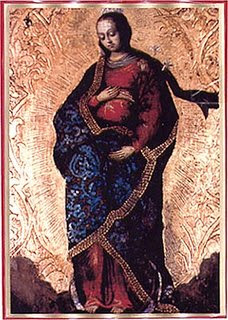
“A great sign appeared in the sky, a woman clothed with the sun, with the moon under her feet,and on her head a crown of twelve stars. She was with child…” (Rev. 12) (Miraculous image of Our Lady of Guadalupe)
She was sent by God to defeat the culture of death at that time in Mexico. Like the “Woman” in Revelation, “clothed in the sun, with moon at her feet,” on December 9, 1531, she appeared to a poor man of no importance or influence, one of Mary’s “little ones,” Juan Diego. The beautiful young woman, whose clothing indicated that she was pregnant, called him by name as a mother would, “Juanito” – “little Juan.” She spoke to Juan:
“I want you to know for certain, my dear son, that I am the perfect and always Virgin Mary, Mother of the True God from Whom all life comes, the Lord of all things, Creator of heaven and earth.”
Our Lady to Juan Diego
She is also our Mother — each of us is also her child. Mary says to Juan, “Am I not here, who am your Mother?” As great as was Mary’s longing and anticipation to see the face of her little Jesus, great too, is Mary’s longing to see the face of her Son Jesus reproduced in us. Through love, Jesus was conceived by the Holy Spirit in Mary’s virginal womb, and this is also how Jesus is formed in us as members of His mystical body – by the Holy Spirit and of the Virgin Mary — If we stay close to Mary, He will come and dwell in us, hidden, to be born in our hearts, to suffer, die, and one day rise to eternal life with Him. Come, Lord, Jesus!
“By the presence of Mary, you made the desert bloom with flowers, – may the Blessed Virgin Mary’s love transform us into the image of Christ, her Son. Amen.”
Fr. Heinrich Pfeiffer, S.J., looks on smiling, between Pope Benedict XVI, Paul Badde, and Sr. Blandina Paschalis Schloemer, on the occasion of the Pope’s pilgrimage to see the Holy Veil of Manoppello, Italy, in 2006.
Born on February 22, 1939, in Tübingen, Germany, Heinrich Pfeiffer had a passion for art history, philosophy, and theology. Answering God’s call, he entered the Society of Jesus in 1963, and was ordained a priest in 1969. As a teacher of art history and Christian iconography at the Pontifical Gregorian University in Rome, he quickly established a highly respected reputation for his expertise in art history, and as a “sindonologist” (Shroud of Turin studies). However, he risked the ridicule and scorn of others when he announced the discovery of the “True Icon” otherwise known as the “Veronica Veil,” in the small mountain Village of Manoppello, Italy. His joy in finding the veil became a heavy cross, as time and time again, he would defend the authenticity of veil to “experts,” who shut their eyes to the evidence, often denouncing the ancient holy relic without ever bothering to go see it for themselves.
Fr. Heinrich, however, could not deny what his years of study, and his own eyes knew to be true: the gossamer-thin, transparent veil that, in light, revealed the Face of Jesus in a miraculous way, was believed to be the veil placed on the Face of Jesus in the tomb, and received His first breath at the Resurrection.
This incredible, steadfast priest entered into eternal life, on the night of November 26, 2021, in Berlin. Germany. May he gaze on God’s Face now for all eternity. Requiescat in pace, Fr. Heinrich Pfeiffer.
The Holy Veil of Manoppello, Photo: Paul Badde/EWTN
Living on Love - Stanzas 9-11- by St. Therese of the Holy Face and the Child Jesus
Living on Love, when Jesus is sleeping
Is rest to stormy seas.
Oh! Lord, don't fear that I'll wake you.
I'm waiting in peace for Heaven's shore...
Faith will soon tear the veil.
My hope is to see you one day.
Charity swells and pushes my sail.
I live on Love!...

Living on Love, O my Divine Master,
is begging to spread your Fire
in the holy, sacred soul of your Priest.
May he be purer than the seraphim in Heaven!...
Ah! glorify your immortal Church!
Jesus, do not be deaf to my sighs.
I, her child, sacrifice myself for her.
I live on Love.

Living on Love, is wiping your Face,
It's obtaining the pardon of sinners.
O God of Love! may they return to your grace.
And may they forever bless your Name
To efface it. I always want to sing:
"I adore and love your Sacred Name.
I Live on Love!"
Jesus, our Crucified King — to Him be glory and power forever and ever!
When Jesus is questioned by Pilate as to whether or not he is a king, Jesus answered him, “My kingdom does not belong to this world. If my kingdom did belong to this world, my attendants would be fighting to keep me from being handed over to the Jews. But as it is, my kingdom is not here.
So Pilate said to him, “Then you are a king?” Jesus answered, “you say I am a king. For this I was born and for this I came into the world, to testify to the truth. Everyone who belongs to the truth listens to my voice.”
(John 18:33B-37)
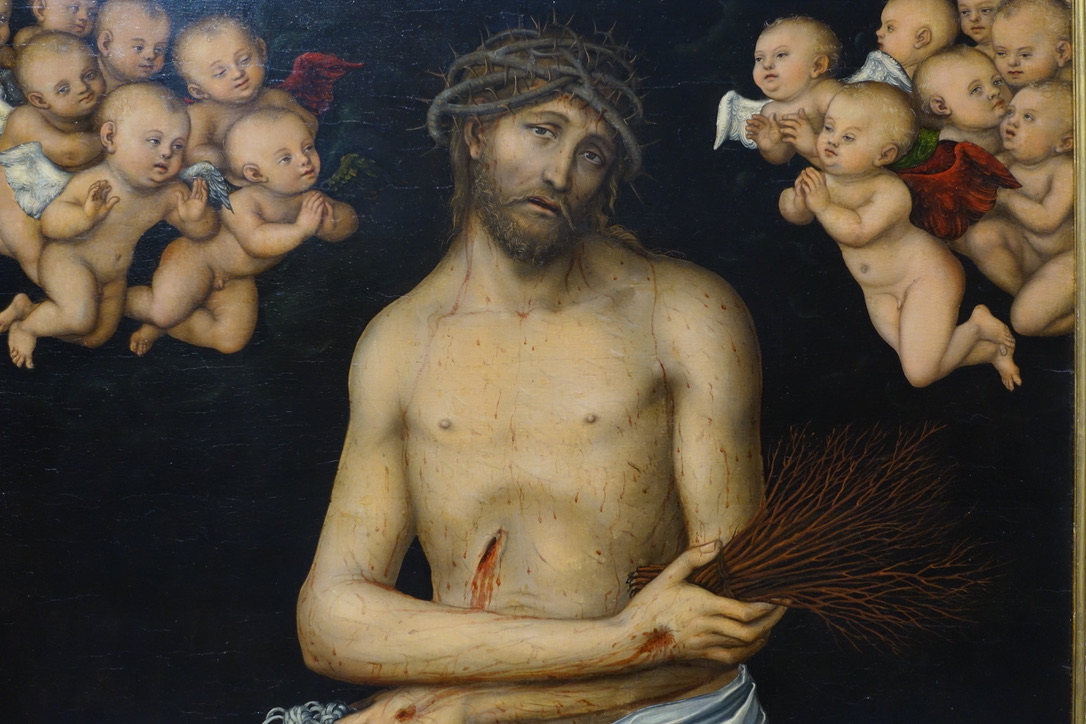
There is but one time in all four Gospels when Our Lord is addressed by His Holy Name, “Jesus.” It is surprising, but true. He was called “Rabbi,” or “Master” by his disciples. He was mockingly called “the King of the Jews” by Pilate and the soldiers at His Crucifixion, and even, with contempt, “Messiah” by the bad thief. As Jesus was dying a shameful death on the Cross, crucified between two criminals, the crowds were shouting, “If he is the King of Israel; let him come down from the cross, and we will believe him.” One of the thieves hanging with Him reviled, and mocked Jesus to His Holy Face. “Are you not the Messiah? Save yourself and us!”
But the one called “the Good Thief” or “St. Dismas,” is also known as a saint of the Holy Face, because although he too was suffering on a cross, St. Dismas acknowledged his own guilt and publicly defended Jesus, rebuking the thief who had blasphemed Him, saying, “Have you no fear of God, for you are subject to the same condemnation? And indeed, we have been condemned justly, for the sentence we received corresponds to our crimes, but this man has done nothing criminal.” (Lk, 23:40-41) What came next is a testament to heroic faith, because although the thief saw the suffering, humiliated, and disfigured Face of Jesus, he addressed Him, (the first time in the Gospels) by His Holy Name — Jesus — and he acknowledged Him as King: “Jesus, remember me when You come into Your Kingdom.”
St. Dismas, calls Jesus, “Jeshu” recalling the successor of Moses — Joshua — who led the people of Israel into the Promised Land. St. Ambrose wrote that the Good Thief “prayed that the Lord would remember him when he reached His Kingdom, but the Lord responded, ‘Truly, I say to you, today you will be with me in paradise.’ Life is being with Christ, because where Christ is, there is His Kingdom.”
Though Dismas was on a cross himself, he kept his eyes on the Face of Jesus — and his suffering was then transformed into a supreme moment of grace and mercy for the Good Thief. By turning to the Holy Face, pronouncing the Holy Name of Jesus, and accepting His kingship, St. Dismas bears witness to the saving power of faith and devotion to the Face of Christ. The Good Thief had stolen the Kingdom through sharing in the suffering of Christ and reparation to the Holy Face of Jesus, and so entered into the divine glory, welcomed by his Crucified King.
“Almighty ever-living God, whose will is to restore all things in your beloved Son, the King of the universe, grant, we pray, that the whole creation, set free from slavery, may render your majesty service and ceaselessly proclaim your praise. Through our Lord Jesus Christ, your Son, who lives and reigns with you in the unity of the Holy Spirit, God, for ever and ever.”
— Prayer for Feast of Solemnity of Jesus Christ, King of the Universe.
O God, be gracious and bless us, and let your Face shed its light upon us. So will your ways be known upon earth, and all nations learn your saving help. (Psalm 67)
Novena to Christ the King
Almighty and merciful God, you break the power of evil and make all things new in your Son Jesus Christ, the King of the universe. May all in heaven and earth acclaim your glory and never cease to praise you.
We ask this through our Lord Jesus Christ, your Son, who lives and reigns with you and the Holy Spirit, one God, forever and ever. Amen.
Recite One Our Father, One Hail Mary, and One Glory Be per day followed by the Novena Prayer:
O Lord our God, You alone are the Most Holy King and Ruler of all nations. We pray to You, Lord, in the great expectation of receiving from You, O Divine King, mercy, peace, justice and all good things. Protect, O Lord our King, our families and the land of our birth. Guard us we pray Most Faithful One. Protect us from our enemies and from Your Just Judgment Forgive us, O Sovereign King, our sins against you. Jesus, You are a King of Mercy. We have deserved Your Just Judgment Have mercy on us, Lord, and forgive us. We trust in Your Great Mercy. O most awe-inspiring King, we bow before You and pray; May Your Reign, Your Kingdom, be recognized on earth.
“The Word will imprint in your soul, as in a crystal, the image of His own beauty, so that you may be pure with His purity, luminous with His light.”
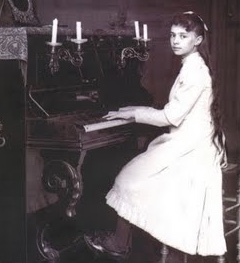
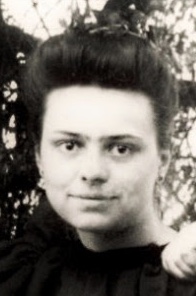
Ten years before entering the Carmelite Convent in Dijon, France, eleven year-old Elizabeth Catez met the prioress on the afternoon of her First Holy Communion. What the prioress told her on that occasion left a deep impression in her soul; upon learning Elizabeth’s name, the prioress told her that her name meant “House of God.” She later wrote on the back of a holy card for Elizabeth: “Your blessed name hides a mystery, accomplished on this great day. Child, your heart is the House of God on earth, of the God of love.”
“Do you not know that you are God’s temple and that God’s Spirit dwells in you?” (1 Cor 3:16)
Waiting to enter Carmel–St. Elizabeth of the Trinity
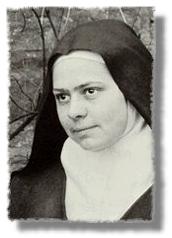
Upon entering Carmel at the age of twenty-one, Elizabeth sought God’s Face within the temple of her own soul, in prayer and silence, with a growing desire to be united with Jesus, to share in His life and sufferings–to be transformed into His image–so that God the Father would find in her the image of His Son, in whom He was well-pleased. Elizabeth wrote, “God bends lovingly over this soul, His adopted daughter, who is so conformed to the image of His Son, the ‘first born among all creatures,’ and recognizes her as one of those whom He has ‘predestined, called, justified.’ And His Fatherly heart thrills as He thinks of consummating His work, that is of ‘glorifying her by bringing her into His kingdom, there to sing for ages unending’ the praise of His glory.” She prayed that the Holy Spirit “create in my soul a kind of incarnation of the Word: that I may be another humanity for Him in which He can renew His whole Mystery.”
“I want to gaze on You always and remain in Your great light.”~St. Elizabeth of the Trinity, OCD
“We must become aware that God dwells within us and do everything with Him; then we are never commonplace, even when performing the most ordinary tasks.”
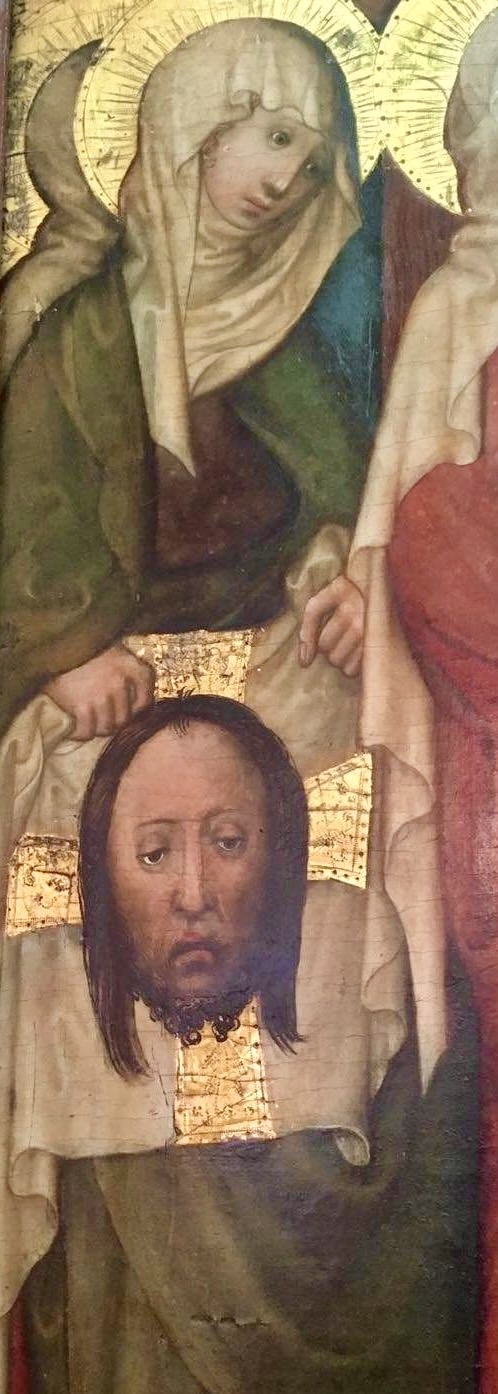
This was the fruit of contemplation that St. Elizabeth of the Trinity wanted to share with everyone; the secret of transforming love hidden within our own hearts. By gazing steadfastly upon God, in faith and simplicity, the Word of God, Jesus Christ–as in the legend of St. Veronica’s Veil–will leave the imprint of His image on the veil of the soul. By her continual loving gaze at Him, St. Elizabeth of the Trinity was transformed into His image. When she died at the young age of twenty-six, she had already fulfilled her mission in the Church as a ceaseless “Praise of Glory,” reflecting the luminous, pure light of the Holy Trinity.
“It is Your continual desire to associate Yourself with Your creatures…How can I better satisfy Your desire than by keeping myself simply and lovingly turned towards You, so that You can reflect Your own image in me, as the sun is reflected through pure crystal? …We will be glorified in the measure in which we will have been conformed to the image of His divine Son. So, let us contemplate this adored Image, let us remain unceasingly under its radiance so that it may imprint itself on us.”
— St. Elizabeth of the Trinity, OCD, Feast Day November 8.
St. Veronica with the Veil of the Holy Face, 1485, Maestro, Viennese
Her life was the stuff that great novels are made of: born on November 1, 1864, Elizabeth, or “Ella” as she was known to her loved ones, was described as “the most beautiful woman in Europe.” She was a Princess of Germany, her parents were the Princess Alice of England and Louis IV, Grand Duke of Hesse and by the Rhine; her maternal grandmother was Queen Victoria. She was brought up by Queen Victoria after being orphaned at the age of fourteen. “Ella” had many suitors, but rejected them all, choosing in the end, to marry for love, her childhood friend Sergei, who also happened to be the Grand Duke Sergei Alexandrovich of Russia, the fifth son of Emperor Alexander II of Russia and Princess Marie of Hesse and by the Rhine. “Everyone fell in love with her from the moment she came to Russia from her beloved Darmstadt” wrote one of Sergei’s cousins. This princess story was not the fluff of fairy tales, however. Elizabeth’s true beauty was hidden with Christ in the depth of her soul.
Elizabeth Feodorovna Romanova, Grand Duchess, Saint, Martyr
Elizabeth and Sergei were married at the Chapel of the Winter Palace in St. Petersburg in 1884. Before her marriage, Elizabeth was a Protestant, but after a trip to the Holy Land, she converted to the Orthodox Church in 1891. She took the name “Feodorovna,” in honor of the Feodorovskaya Icon of the Mother of God, patroness of the Romanov house.
The couple never had children of their own; they frequently organized parties for children, and eventually became foster parents of Sergei’s niece and nephew. Elizabeth had encouraged her youngest sister Alix to also convert to Orthodoxy after Alix had refused the first proposal of Sergei’s nephew, Tsar Nicholas II, on the basis of the difference of religion.
Feodorovskaya Icon which hung in Alesandra’s bedroom
The Duchess Elizabeth and her husband were deeply religious, and so she was greatly distressed when the Grand Duke made the decision to send soldiers to surround the homes of 20,000 Jews, who, with no notice, were suddenly expelled from Moscow. At the time she was heard to make a dark prophesy: “God will punish us severely.”
On February 17, 1905, Elizabeth felt the concussion of a bomb blast. Her beloved husband had been assassinated by a bomb thrown by the Socialist Revolutionary, Ivan Kalyayev.
Elizabeth and her husband Sergei
“Grand Duchess Elisabeth heard the explosion and felt the shock; she rushed outside and saw the dismembered body of her husband strewn around the square. She knelt in the snow and helped collect the remains and, almost incredibly found the strength to arrange for the transportation to a hospital of the grand duke’s coachman, who had been severely wounded. Visiting the dying man later, she told him that the grand duke was well and safe, and had in fact sent her, enabling the man to die peacefully.”
“The lofty spirit with which she took the tragedy astounded everyone: she had the moral strength even to visit in prison her husband’s assassin, Kaliaev, hoping to soften his heart, with her Christian forgiveness. ‘Who are you?’ he asked upon meeting her. ‘I am his widow,’ she replied, ‘why did you kill him?’ ‘I did not want to kill you,’ he said. ‘I saw him several times before when I had the bomb with me, but you were with him and I could not bring myself to touch him.’ ‘You did not understand that by killing him you were killing me,’ she said. Then she began to talk of the horror of his crime before God. The Gospel was in her hands and she begged the criminal to read it and left it in his cell. Leaving the prison, the Grand Duchess said: ‘My attempt was unsuccessful, but, who knows, perhaps at the last minute he will understand his sin and repent.“
— Ludmila Koehler, Saint Elisabeth the New Martyr
Grand Duchess Elizabeth as a nun
This was a turning point in Elizabeth’s life. Our Lord transformed her grief into a desire to serve God. From that point on, the only crown she would wear would be one of thorns — in imitation of her suffering Lord. She sold her possessions and jewels — even her wedding ring — and with the proceeds she opened the convent of Saints Martha and Mary, and other women joined her. Soon after, on the grounds, she opened a hospital, a chapel, pharmacy, and orphanage. Elizabeth and her nuns visited the worst slums in Moscow, working tirelessly to help the orphaned and the poor. Her convent handed out 300 meals to the poor each day, who called her “the Guardian Angel of Moscow.”
The last meeting she had with her sister Alix, now the Tsarina Alexandra, was in St. Petersburg, 1916. Elizabeth expressed to the Tsarina her deep concern about the influence the wicked Rasputin had over her sister. Alexandra didn’t heed her sister’s advice. In 1917, the Bolsheviks seized power. Elizabeth chose to remain in Russia to serve the poor.
Three days after Easter, in 1918, Vladimir Lenin ordered the Soviet Secret Police to arrest Elizabeth, together with another nun of her order and other members of the Royal family. Lenin was quoted as saying “virtue with the crown on it is a greater enemy to the revolution than a hundred tyrant tsars.” They were taken to an abandoned mine, beaten and thrown into a pit 66 feet (20 meters) deep, landing on an outcropping. Though injured in the fall, the sound of prayers and hymns rose from the pit for a long time, only resulting in rage from their captors, who threw down two grenades to silence them. One member died, but the singing continued, resulting in the Bolshevik leader ordering brushwood be thrown into the pit and set on fire.
“It is easier for a scrawny shrub,
to withstand a mighty fire
than for the nature of sin to [withstand]
the power of love.”
— St. Elizaveta
Three months later, the White Army discovered the bodies of Elizabeth and the others in the pit. Most had died of either injuries or starvation. As a last act of compassion, Sr. Elizabeth had used her own religious veil, or wimple, to bandage the head wound of the dying Prince Ioann — which calls to mind the compassion shown to Jesus by the holy woman known as “Veronica,” who, as legends of the middle ages told, wiped the bleeding Face of Jesus on the way to Calvary. Elizabeth’s body was first transferred in secret to Beijing, China, where she was buried in a Russian Orthodox cemetery. Later, her remains were taken to Jerusalem to the Church of St. Mary Magdalene at Gethsemane in Jerusalem, a church that she and her husband helped to build. She is venerated in the Russian Orthodox Church as a Saint and Martyr.
Icon of the Holy Face, embroidered in gold by Duchess Elizabeth Feodorovna — Косино
“… there are times, there are ages, when nothing is more desirable, nothing more beautiful than the crown of thorns.”
— Russian Poet, Nekrasov
“He is our head, crowned, not with glory, but with the thorns of our sins. As members of that head, crowned with thorns, we should be ashamed to live in luxury; His purple robes are a mockery rather than an honor. When Christ comes again, His death shall no longer be proclaimed, and we shall know that we also have died, and that our life is hidden with Him.”
— St. Bernard, Abbott
Many thanks to Paul Badde, who first told me about the extraordinary and holy Princess Elizabeth from his native land! This is a photo taken by Paul of “most beautiful church in Jerusalem, where she is buried, here seen from the temple-mount.”