A Hidden Soul

Sr. Miriam of the Mystical Body, OCD (on Sept.15, 2013)
Mary Julia Seelaus was born August 5, 1923, the second of eight children, in Philadelphia, PA. She attended Holy Child grade school, and Little Flower High School of Fine Arts.  When she graduated, Mary Julia–a talented artist–was hired to do women’s fashion art displays, but a flame that was the love of God burned in her heart, and she soon formed a group of Young Christian Workers, similar to the movement in France at the time.  One day, as she was riding home on the subway from her Christian Worker meeting, she heard a definite call to Carmel in her heart.

So, Mary Julia became a Discalced Carmelite nun, and her name became Sr. Miriam of the Mystical Body, OCD.  She said that “The discovery of the doctrine of the Mystical Body was a great grace for me.  Our loving God and Father has created each of us to be another humanity for Jesus.”  One of her favorite Scripture passages was “I am the vine, and you are the branches.  Whoever remains in me and I in him will bear much fruit, because without me you can do nothing.”

Sr. Miriam’s New Testament and photo of the Shroud of Turin

Anyone who had the great privilege of knowing this tiny, cloistered nun, knew of her great love and devotion to the Holy Face of Jesus, which she shared with everyone.  Sr. Miriam was that part of the Mystical Body who adored and loved the Face of Jesus, to make up for those souls who are indifferent to God, or even hate God. In her little New Testament, now yellowed and falling apart, St. Paul’s words to the Ephesians are doubly underlined, “God’s plan…is to bring all creation together, everything in heaven and on earth, with Christ as head.” (Eph. 1:10)  A small picture of the Shroud of Turin (glued to a piece of cardboard, with a hanger  carefully cut from duct tape) which belonged to Sr. Miriam, is worn through the surface of the photo, from the top of Jesus’s forehead to His chin, by a thousand kisses bestowed on His Holy Face as evidence of her faithful love and the desire to make reparation for those who did not love Him.

Her eyes sparkled when she spoke of Jesus, and one had the distinct impression that He was always at her side, because Sr. Miriam had the habit of addressing her Beloved out loud. If you asked her for prayers for someone, she would immediately implore Him, in her sweet voice, “O Jesus!  Help them!”

Painting of Jesus by Sr. Miriam

Before Sr. Miriam died, at the Discalced Carmelite Monastery in Covington, Louisiana, she suffered, as some holy souls do, a great darkness.  She felt that she was unworthy to even receive Holy Communion; she grew smaller and smaller, like a candle about to go out.  The darkness passed and on June 27, 2017, her entrance into eternal life was a peaceful one. The funeral procession to her place of rest at St. Joseph’s Abbey was halted momentarily when a peacock, a symbol of the Resurrection, suddenly flew out of the woods to the middle of the road, next to the hearse which carried her precious body.  The Face of Christ shone so brightly in Sr. Miriam’s soul, which remained always close to the Vine, that it cannot help but continue to bear good fruit.  Sr. Miriam, pray for us!


Queen Beauty and Mother of Carmel

“How fair you are, O Virgin Mary! Your face is resplendent with grace.” –Carmelite Proper

img_1069Virgin Mary is she who more than any other contemplated God in the human Face of Jesus.  She saw Him as a newborn when, wrapped in swaddling clothes, He was placed in a manger; she saw Him when, just after His death, they took Him down from the Cross, wrapped Him in linen and placed Him in the sepulcher.  Inside her was impressed the image of her martyred Son; but this image was then transfigured in the light of the Resurrection.  Thus, in Mary’s heart, was carried the mystery of the Face of Christ, a mystery of death and glory.  From her we can always learn how to look upon Jesus, with a gaze of love and faith, to recognize in that human countenance, the Face of God.” –Pope Emeritus Benedict XVI


Our Lady of Mount Carmel

Seeking the Face of Christ through Mary

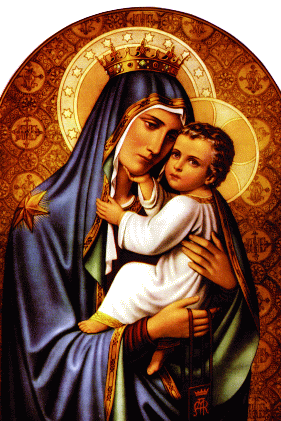
In the icon of “Queen Beauty and Mother of Carmel,” the Infant Jesus tenderly invites us to look at the face of His Mother, “resplendent with grace.” What makes the Virgin Mary’s face “resplendent with grace?”  It is the light of the Face of Christ – just as the moon reflects the light of the sun, the face of Mary reflects the light of the true sun, Jesus Christ.

Mary is “The glory of Jerusalem, the joy of Israel, the highest honor of our race,” (Judith 15:9) because she sought the face of God, His holy will and pleasure, in all things. Just as it is possible for the moon to shine even in the brightness of day, Mary gives more beauty to the heavens, more glory to God than any other creature on earth.  And when the dark night of faith is upon us and the sun is hidden from our view, Mary is there to enlighten our path and show us the way to her Son, until “In the tender compassion of our God the dawn from on high shall break upon us, to shine on those who dwell in darkness and the shadow of death, and to guide our feet into the way of peace.” (Luke 1: 78-79)

At the present moment, although the world is filled with darkness, we can turn to her for help in seeking His Face and leading souls to Him. Even pebbles on a path on the ground can reflect the light of the moon at night; and so the children of Mary by following her example, “to seek the Face of God in all things,” can guide others through the darkness by reflecting the light of the Face of Christ as does Mary.

It is Jesus Himself who desires that we turn to the face of His Mother. He created her with all the perfection and beauty that would be fitting for the Mother of God.  Her soul, holy, immaculate and unstained by sin, is the perfect mirror in which He reflects His Face. He holds her up to us as the model for all His disciples as He did in Luke’s Gospel:  “While He was speaking, a woman from the crowd called out and said to Him, ‘Blessed is the womb that carried you and the breasts at which you nursed.’” This singular praise of Mary from the woman in the crowd was not enough for her Son.  And so Jesus replied, “Rather, blessed are those who hear the word of God and keep it.” (Luke 11:27)  Mary is thus thrice blessed, first, in being chosen to be the Mother of God, second, in that Mary heard the word of God and third, because she kept His word in her heart.

Mary holds out to us her Scapular, a sacramental sign of being clothed in her own garment, to place over our shoulders, so that we may imitate her in faith, hope, charity and all the virtues that adorn her soul.  By contemplating the Face of Jesus always, together with Mary, we can do our part in making His Face shine upon our world as well.

Queen Beauty of Carmel
Queen Beauty of Carmel Feast day: July 16th

Our Lady of Mount Carmel

O most beautiful flower of Mount Carmel, fruitful vine, splendor of heaven, blessed Mother of Christ, Immaculate Virgin, we praise and honor you as our Queen and Mother.

Help us to persevere in constant prayer for the needs of our world and share with you in the work of redemption.  Be with us, Holy Virgin, and guide us on our way, as we journey together in faith, hope and love to your Son, Jesus Christ Our Lord.

Amen.

A glorified face transformed in Christ – St. Teresa of the Andes


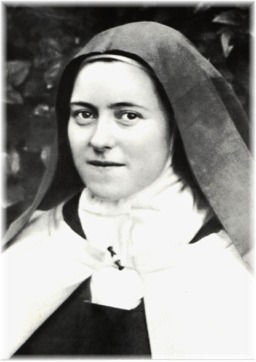
St. Teresa of the Andes, professed Discalced Carmelite nun, born July 13, 1900. She died April 20, 1920, just before her 20th birthday.

“For her God is infinite joy. This is the new hymn of Christian love that rises spontaneously from the soul of this young Chilean girl, in whose glorified face we can sense that grace of her transformation in Christ.”

–Pope St. John Paul II, canonization homily for St. Teresa of the Andes in 1993

“Look at Him!”

“Jesus alone is beautiful; he is my only joy.  I call for him, I cry after him, I search for him within my heart.  I long for Jesus to grind me interiorly [like wheat] so that I may become a pure host where he can find his rest.

I want to be athirst with love so that other souls may possess this love.  I would die to creatures and to myself, so that he may live in me. Is there anything good, beautiful or true that we can think of that would not be in Jesus?  Wisdom, from which nothing would be secret.  Power, for which nothing would be impossible.  Justice, which made him take on flesh in order to make satisfaction for sin.  Providence, which always watches over and sustains us.  Mercy, which never ceases to pardon.  Goodness, which forgets the offenses of his creatures.  Love, which unites all the tenderness of a mother, of a brother, of a spouse, and which, drawing him out of the abyss of his greatness, binds him closely to his creatures.

Beauty which enraptures…what can you think of that would not be found in this Man-God?  Are you perhaps afraid that the abyss of the greatness of God and that of your nothingness cannot be united?  There is love in him.  His passionate love made him take flesh in order that by seeing a Man-God, we would not be afraid to draw near hm.  This passionate love made him become bread in order to assimilate our nothingness and make it disappear into his infinite being.  This passionate love made him give his life by dying on the Cross.  Are you perhaps afraid to draw near him?  Look at him surrounded by little children.  He caresses them, and presses them to his heart.  Look at him in the midst of his faithful flock, bearing the faithless lamb on his shoulders.

Look at him at the tomb of Lazarus.  And listen to what he says to Magdalene: ‘Much has been forgiven her, because she has loved much.’ What do you discover in these flashes from the Gospel except a heart that is good, gentle, tender, compassionate; in other words, the heart of God?  He is my unending wealth, my bliss, my heaven.”

—St. Teresa of the Andes

“Truly Seeking God” – Benedictines and the Face of Christ

patriciaenk's avatarIllumina Domine Blog - Devotion to The Holy Face

“It is Your Face, O Lord, that I seek.” (Ps 26:8)

St. Benedict St. Benedict, Feast Day July 11

In the Rule of his Order St. Benedict gives the key to discerning a true vocation in those seeking admittance to the Benedictine Order: “Let us examine whether the novice is truly seeking God.” (Ch. 58, Rule)  Since the Order’s inception, up to this day, the sons and daughters of St. Benedict have taken for their motto “Ora et Labora.” This “Prayer and Work” for many Benedictines is truly seeking the Face of God in the “prayer” of contemplation and the “work” of reparation to the Face of God covered with the blood, wounds, dust and spittle of  blasphemy–to stand, together with the Blessed Mother, before the endless crosses on which the Son of God continues to be crucified.  If there is a common thread among the holy men and women…

View original post 1,060 more words

“The Monstrance of the Heart”

Joachim Cardinal Meisner (Photo: Paul Badde/EWTN)

December 25, 1933-July 5, 2017

Requiescat in Pace

“The Face is the monstrance of the heart.
In the Holy Face the heart of God becomes visible.”
–Joachim Cardinal Meisner, Archbishop of Cologne, 4.4.2005
Joachim Cardinal Meisner with Veil of the Holy Face of Manoppello (Photo: Paul Badde/EWTN)


For the Healing of Our Nation

Face of the Just Judge Mural by Dom Gregory DeWitt, St. Joseph Abbey, Louisiana


“…and if my people, upon whom my name has been pronounced, humble themselves and pray, and seek My Face and turn from their evil ways, I will hear them from Heaven and pardon their sins and revive their land.” (2 Chr. 7:4)

Jesus’s Self-Portrait

The Beatitudes by Carl Bloch

Did you know that there exists, in this world, a self-portrait of Jesus?  Yes, it is true. Pope St. John Paul II has written about this self-portrait in Veritatis Splendor, and so did Pope Benedict XVI in Jesus of Nazareth.  Jesus painted this masterpiece of Himself on a mountain, where He prayed “face-to-face with the Father.” On the mountain of the Beatitudes, Jesus painted in deep, rich hues, a self-portrait of crucified love for us to contemplate and imitate:     

The Beatitudes

Blessed are the poor in spirit, for theirs is the kingdom of heaven.

Blessed are they who mourn, for they will be comforted.

Blessed are the meek, for they will inherit the land.

Blessed are they who hunger and thirst for righteousness, for they will be satisfied.

Blessed are the merciful, for they will be shown mercy.

Blessed are the pure of heart, for they will see God.

Blessed are the peacemakers, for they will be called the children of God.

Blessed are they who are persecuted for the sake of righteousness, for theirs is the kingdom of heaven.

Blessed are you when they insult you and persecute you and utter every kind of evil against you [falsely] because of me. Rejoice and be glad, for your reward will be great in heaven.  Thus they persecuted the prophets who were before you. (Mt. 5:1-12)

The Beatitudes, Pope St. John Paul II says in Veritatis Splendor, “are a sort of self- portrait of Christ, and for this very reason are invitations to discipleship and to communion of life with Christ.”  In Jesus of Nazareth, Pope Benedict XVI describes the Sermon on the Mount as a “hidden Christology.” He writes, “Anyone who reads Matthew’s text attentively will realize that the Beatitudes present a sort of veiled interior biography of Jesus, a kind of portrait of His figure.  He who had no place to lay his head (Mt. 8:20) is truly poor; he who can say, “Come to me…for I am meek and lowly of heart” (Mt. 11:28-29) is truly meek; he is the one who is pure of heart and so unceasingly beholds God.  He is the peacemaker, he is the one who suffers for God’s sake.”  

The brushstrokes of the Master are the Christian virtues by which He reveals His Face: Justice, Mercy, Humility, Meekness, Purity of Heart.  Jesus painted this self-portrait as an invitation for those who seek His Face to follow Him as His disciples, calling us to communion with Him, accompanying Him to the Cross. 

“If you say, ‘show me your God,’ I should like to answer you, ‘show me the man who is in you’… For God is perceived by men who are capable of seeing Him, who have the eyes of their spirit open…Man’s soul must be as pure as a shining mirror.”  –Theophilus of Antioch 

“Blessed are the pure of heart, for they shall see God” (Mt. 5)
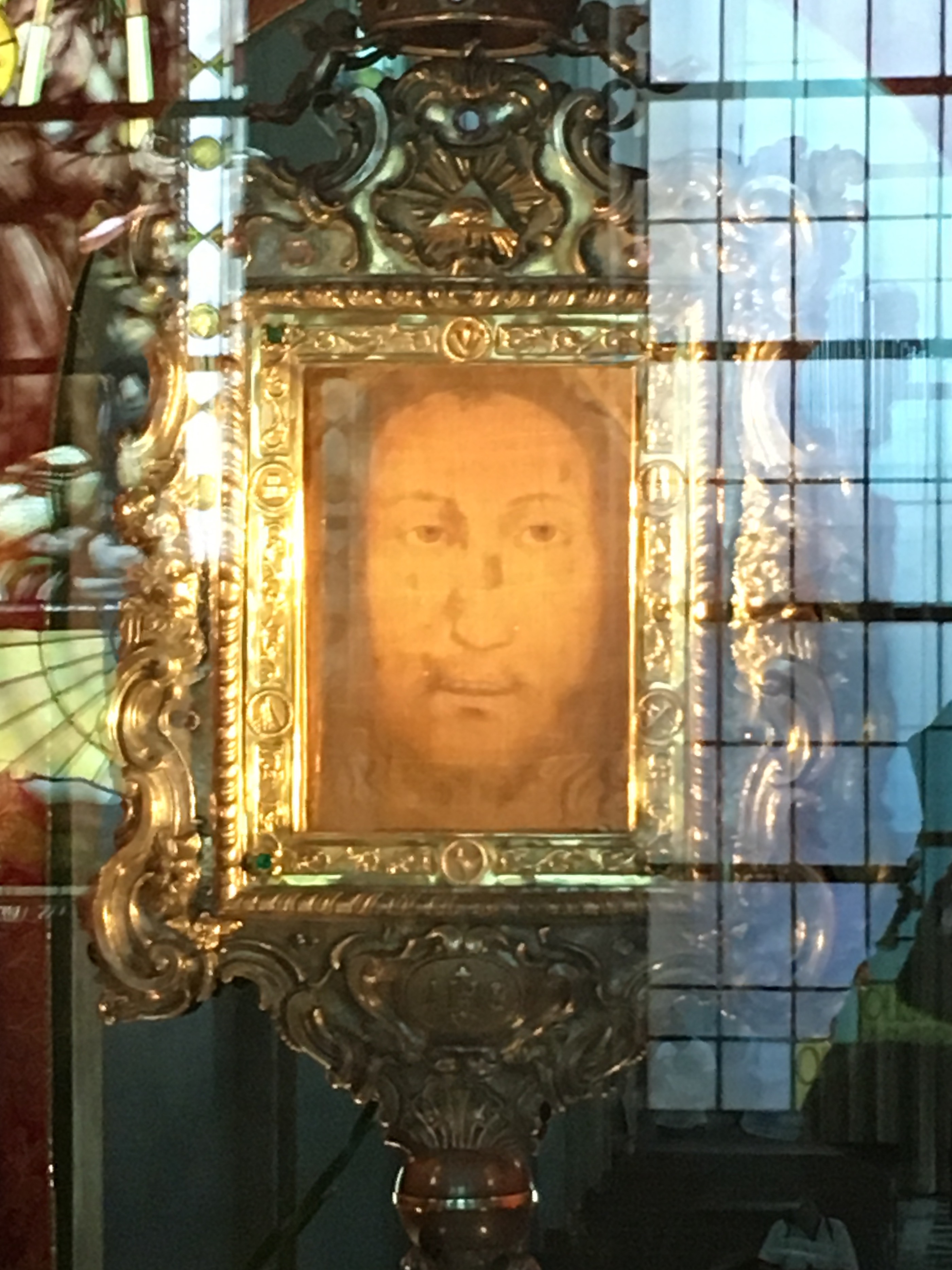
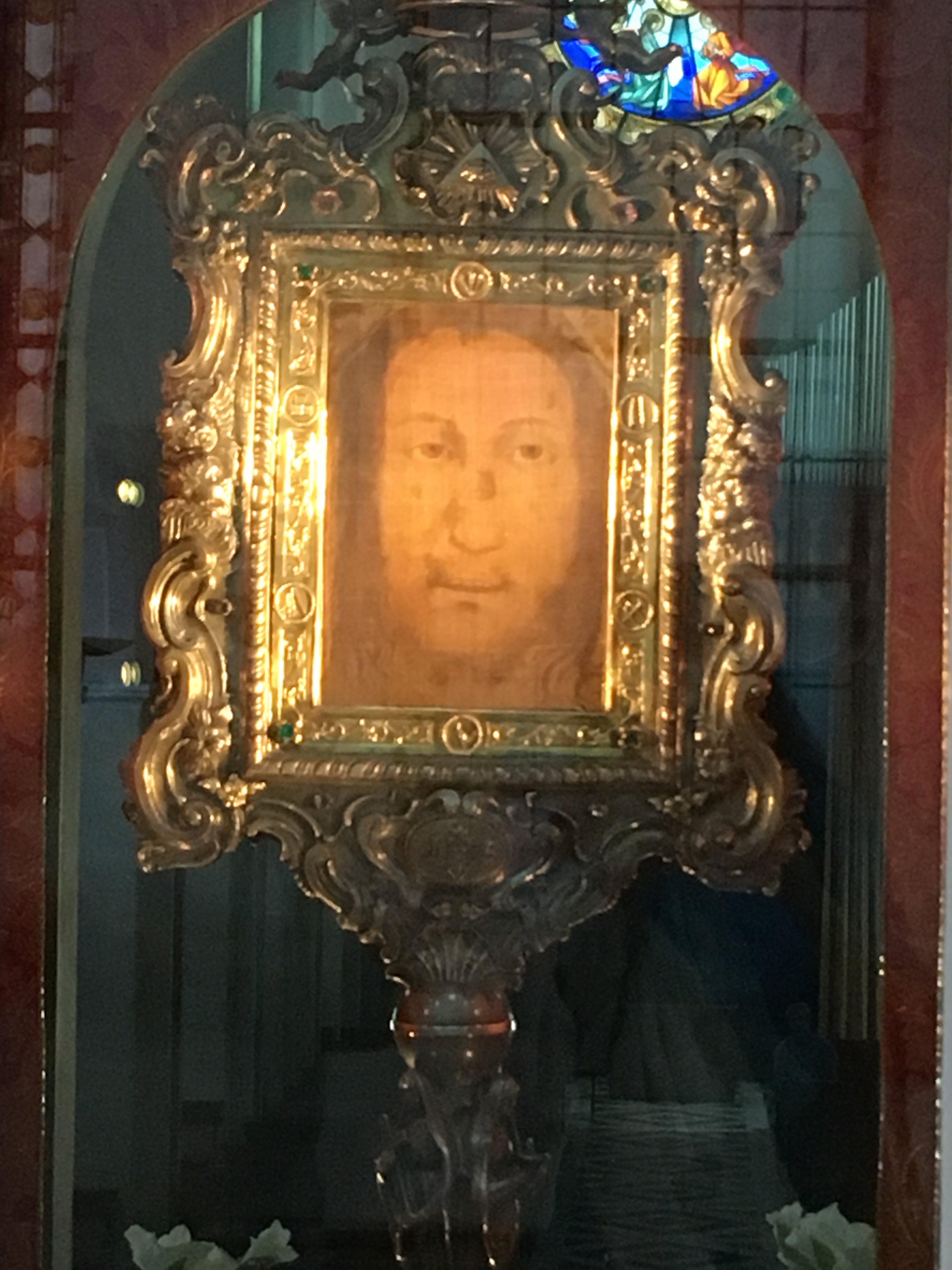
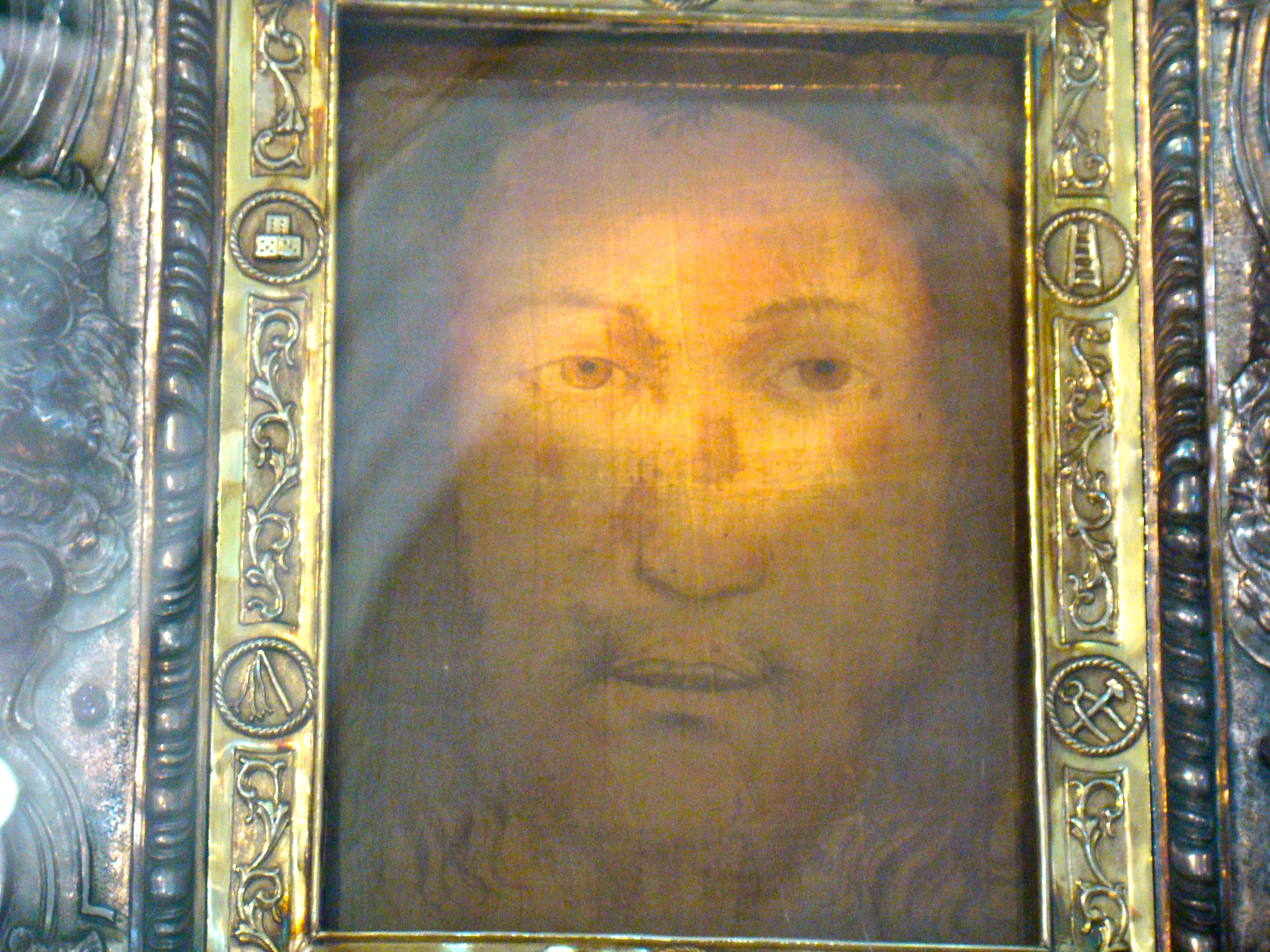
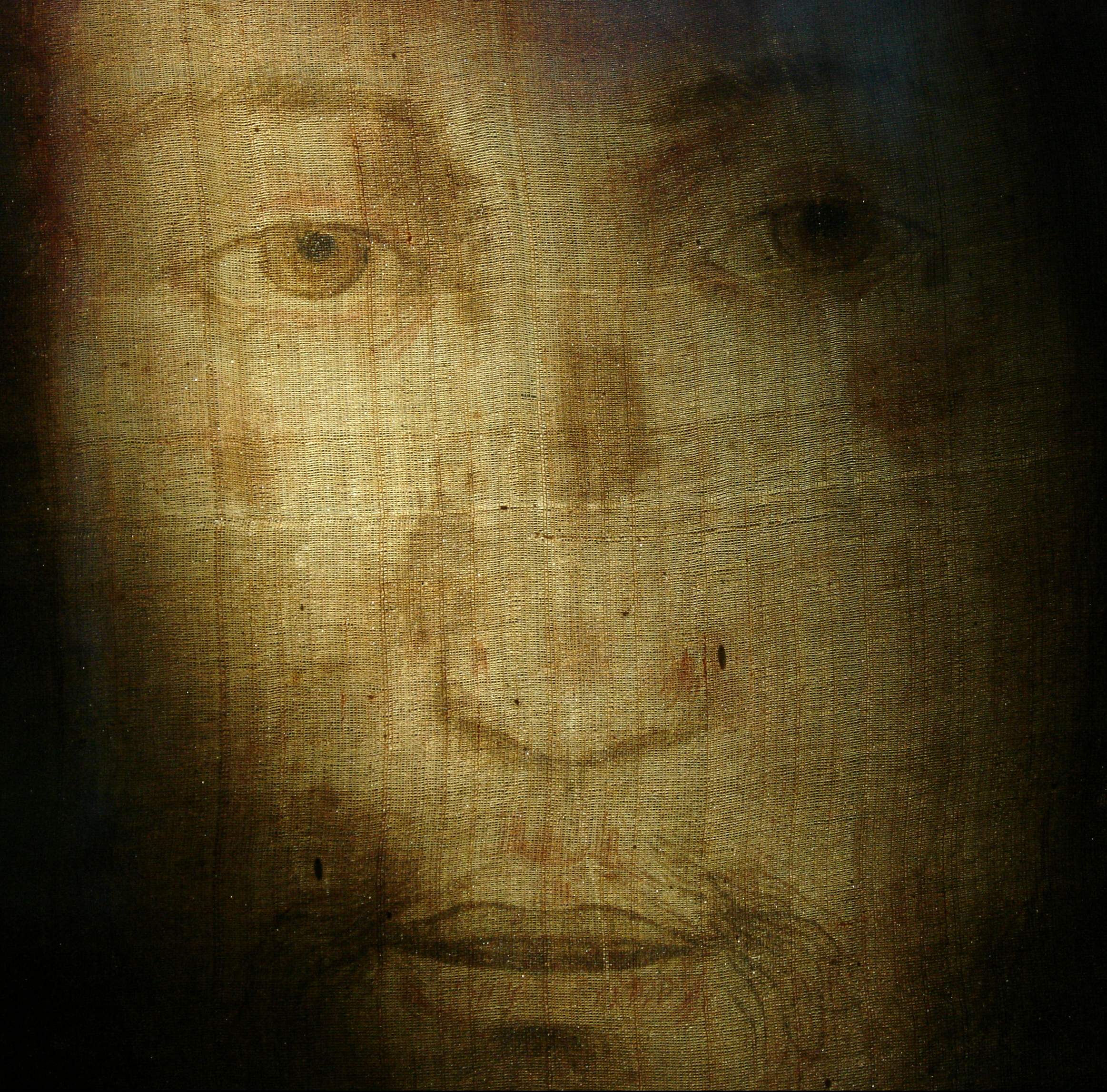
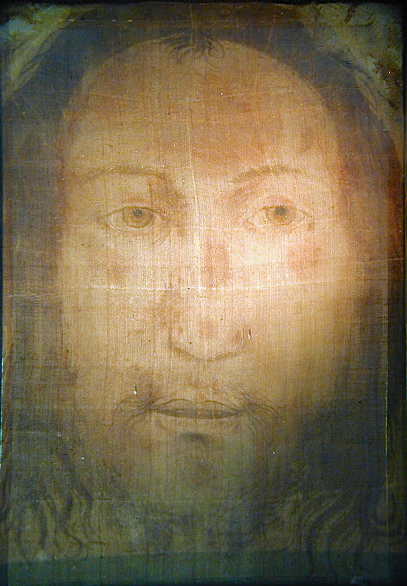
Holy Face “Il Volto Santo” of Manoppello, photo: Paul Badde/EWTN

Thy Glory in Beholding

O Lord, wealth of the poor, how admirably You can sustain souls, revealing Your great riches to them gradually and not permitting them to see them all at once. When I see Your great Majesty hidden in so small a thing as the Host, I cannot but marvel at Your great wisdom.”                      –St. Teresa of Jesus

Host viewed through the Veil of Manoppello in Italy. Photo: Paul Badde/EWTN

Adoro Te Devote

Jesu, quem vellum nuns auspício,/Oro, fiat illud, quod tam sitio,/Ut te revelata cernens facie,/Visu sim beatus tuae Gloria.  Amen.

Jesus! Whom for the present veiled I see,

What I so thirst for, oh, vouchsafe to me:

That I may see Thy Countenance unfolding, 

And may be blest…

Thy Glory in beholding.  Amen 

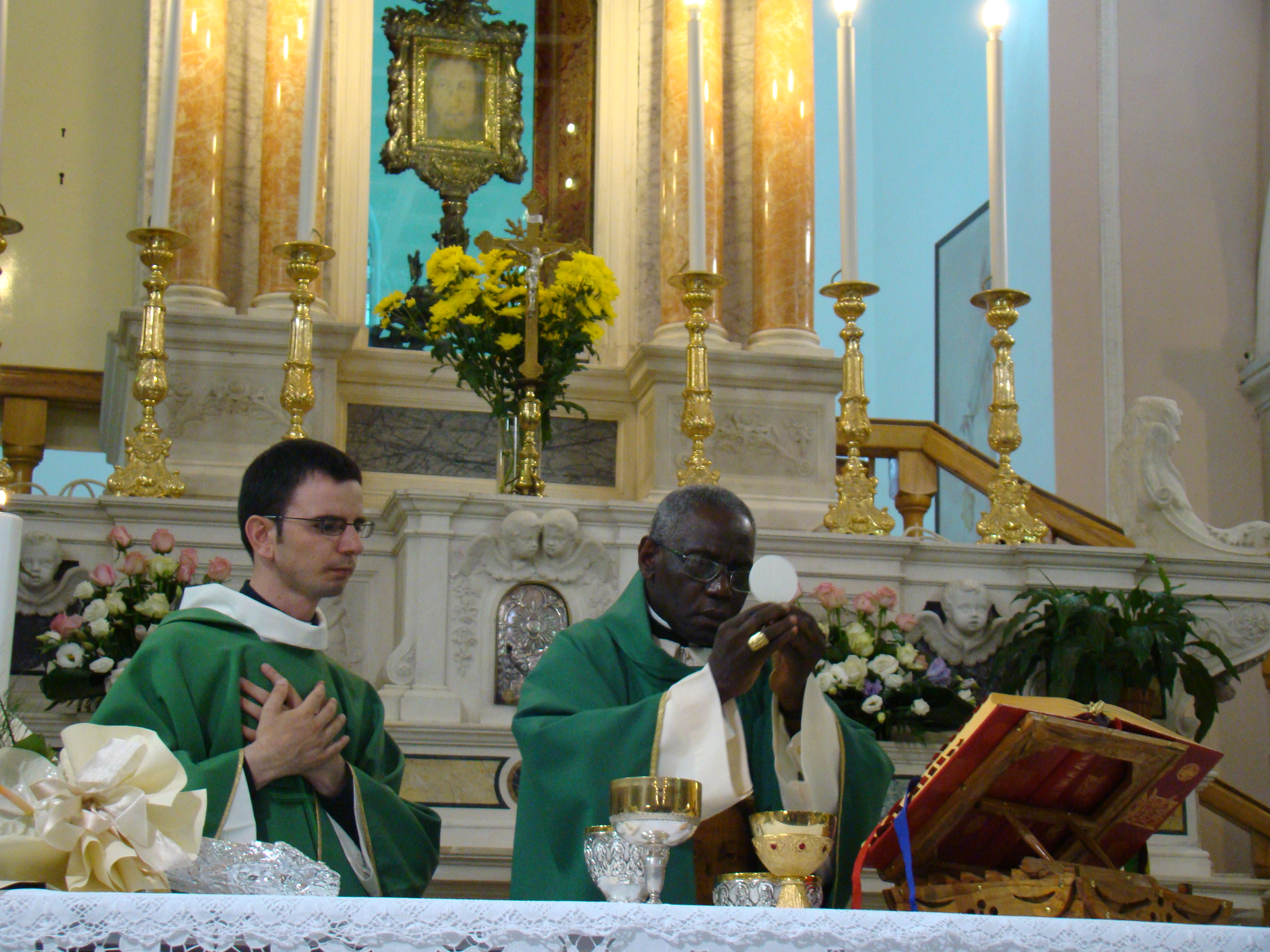
Cardinal Tagle elevates the Eucharist at a Solemn Mass in honor of the Holy Face of Manoppello, Italy (Photo: Paul Badde/EWTN)

There is a wonderful book by Dr. Brant Pitre called “Jesus and the Jewish Roots of the Eucharist – Unlocking the Secrets of the Last Supper”  which sheds light on the great Mystery of the Eucharist, and the connection to the Old Testament “Bread of the Presence” otherwise known in the Old Testament as the “Bread of the Face of God”–the earthly sign of God’s Face veiled–because no one could see the unveiled Face of God and live. Three times a year, Dr. Pitre writes, the priests in the Temple would “remove the Golden Table of the Bread of the Presence from within the Holy Place so that the Jewish pilgrims could see it.” (Exodus 34:23; 23:17) Then the priest would elevate the holy bread before the people saying, “Behold God’s love for you!”  The Bread of the Face, was a sign of God’s love because it was a sign of His everlasting covenant.  “…this holy bread was a living visible sign of God’s love for his people, the way earthly people could catch a glimpse of the ultimate desire of their hearts: to see the Face of God and live, and to know that He loved them.”  “And just as the old Bread of the Presence was also the Bread of the Face of God, so now the Eucharist would be the Bread of the Face of God.” It is through His Face that we enter into the relationship of love with God.

Robert Cardinal Sarah gazing at the Eucharistic Face of Jesus at the Basilica Sanctuary of the Holy Face (Photo: Paul Badde/EWTN
“The Face of Christ is the supreme revelation of Christ’s Mercy.”–Pope Benedict XVI photo:Paul Badde/EWTN

“Behold, you do see Him, you touch Him, you eat Him…to receive Him into your heart…He upon whom the angels look with fear, and dare not gaze upon steadfastly because of His dazzling splendor, becomes our Food; we are united to Him, and are made one body and one flesh with Christ.” –St. John Chrysostom 

What greater sign of His Love than the bread and wine become His Body and Blood?


Trinity, whom I adore

Holy Trinity – Andrei Rublev

O My God, Trinity Whom I Adore

St. Elizabeth of The Trinity, Discalced Carmelite nun

O My God, Trinity whom I adore,  help me to forget myself entirely that I may be established in You as still and as peaceful as if my soul were already in eternity.  May nothing trouble my peace or make me leave You, O my unchanging One, but may each minute carry me further into the depths of Your Mystery. Give peace to my soul, make it Your heaven, Your beloved dwelling and Your resting place.  May I never leave you there alone but be wholly present, my faith wholly vigilant, wholly adoring, and wholly surrendered to Your creative action.  O my beloved Christ, crucified by love, I wish to be a bride for Your Heart; I wish to cover You with glory; I wish to love You…even unto death!  But I feel my weakness, and I ask You to clothe me with Yourself, to identify my soul with all the movements of Your Soul, to overwhelm me, to posses me, to substitute Yourself for me that my life may be but a radiance of Your life.  Come to me as Adorer, as Restorer, as Savior, O Word Eternal, Word of my God.  I want to spend my life listening to You, to become wholly teachable that I may learn all from You.  Then, through all nights, all voids, all helplessness, I want to gaze on You always and remain in Your great light.  O my beloved Star, so fascinate me that that I may not withdraw from your radiance.  O consuming Fire, Spirit of Love, come upon me, and create in my soul a kind of Incarnation of the Word; that I may be another humanity for Him, in which He can renew His whole Mystery.  And You, O Father, bend lovingly over your poor little creature; cover her with your shadow, seeing in her only the Beloved in whom You are well pleased.  O my Three, my All, my Beatitude, infinite Solitude, Immensity in which I love myself, I surrender myself to You as Your prey.  Bury Yourself in me that I may bury myself in You until I depart to contemplate in Your light the abyss of Your greatness.  November 21, 1904 — St. Elizabeth of the Trinity

Another Discalced Carmelite nun who lived in the mid-1800’s, Sr. Marie St. Pierre, is best known for Devotion to the Holy Face and “The Golden Arrow”  a prayer of reparation for blasphemy–sins against the Face of God. She had many interior visions regarding the Holy Face and the work of reparation, including a sublime conception of the The Holy Trinity and the Holy Face which she tried to express in these words she received from Our Lord:

Discalced Carmelite Nun Sr. Marie St. Pierre, holding “Golden Arrow” with three circles representing the Trinity.

“Remember, O my soul, the instruction which thy celestial Spouse has given thee today on His adorable Face!  Remember that this Divine Head represents the Father who is from all eternity, that the mouth of this Holy Face is a figure of the Divine Word, engendered by the Father, and that the eyes of this mysterious Face represent the reciprocal love of the Father and the Son; for these eyes have but one and the same light, the same knowledge, producing the same love, which is the Holy Spirit.  In his beautiful silken hair  contemplate the infinitude of the adorable perfections of the Most Holy Trinity in this majestic head, the most precious portion of the Sacred Humanity of thy Saviour; contemplate the image of the unity of God.  This, then, is the adorable and mysterious Face of the Saviour, which blasphemers have the temerity to cover with opprobrium: thus they renew the sufferings of His Passion, by attacking the Divinity of which it is the image.”

Our Lord told Sr. Marie St. Pierre that she could comfort and console Him by her praises, then He added:

“According to the diligence you will manifest in repairing my image disfigured by blasphemers, so will I have the same care in repairing your soul which has been disfigured by sin.  I will imprint thereon my image, and I will render it as beautiful as when it came forth from the baptismal font… Oh! could you but behold the beauty of My Face!–But your eyes are yet too weak.” 

THE GOLDEN ARROW  PRAYER

MAY the most holy, most sacred, most adorable, most incomprehensible and ineffable Name of God, be forever praised, blessed, adored, loved and glorified, in heaven, on earth, and in the hells, by all the creatures of God, and by the Sacred Heart of Our Lord Jesus Christ in the most Holy Sacrament of the Altar. Amen.  (In Reparation for blasphemy)

The Holy Face on the Shroud of Turin


“Jesus, has shown us the face of God, One in substance and Triune in Persons; God is all and only Love, in a subsisting relationship that creates, redeems, and sanctifies all: Father, Son, and Holy Spirit.” ~Pope Francis

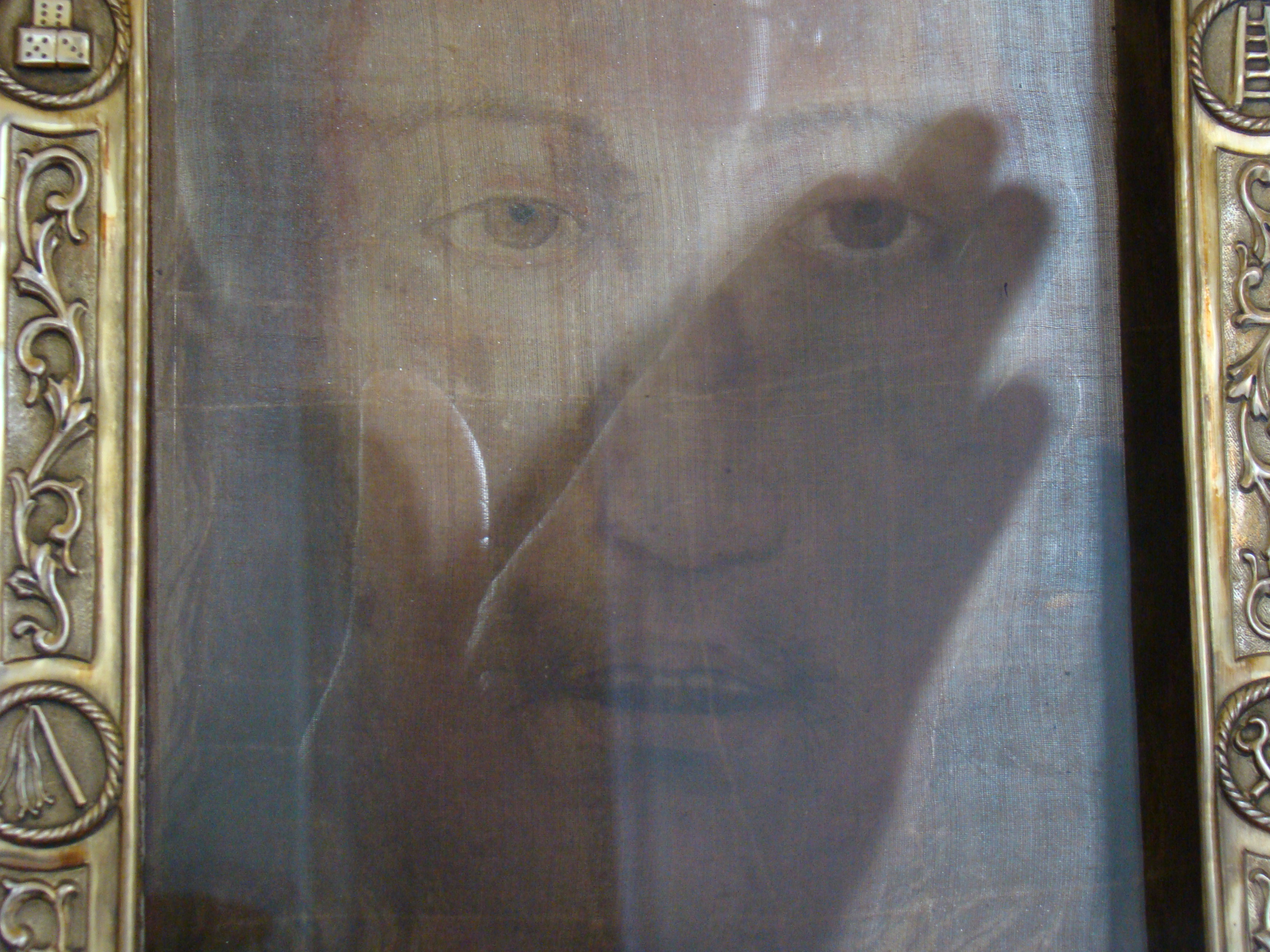
Hand behind the sheer Veil of Manoppello, “not made by human hand” clearly shows the miraculous nature of “Il Volto Santo” Photo: Paul Badde/EWTN
The Veil of the Holy Face of Manoppello
Photo: Paul Badde/EWTN

Burn within us Holy Fire

Holy Spirit Window in Loreto, Italy

Burn within us, Holy Fire, so that chaste in body and pure of heart, we may desire to see the Face of God.

We are temples of the Holy Spirit (photo: Patricia Enk)

“Now the Lord is the Spirit, and where the Spirit of the Lord is, there is freedom.  All of us, gazing with unveiled face on the glory of the Lord, are being transformed into the same image from glory to glory, as from the Lord, who is the Spirit.” (2Cor 3:17-18) 

Rose petals like “tongues of fire of the Holy Spirit” tossed before the Holy Face of Manoppello. photo: Paul Badde/EWTN

Be sure to see the video from the previous post of Cardinal Tagle.  The light and fire of the Holy Spirit shines on his face as Cardinal Tagle speaks of his experience of seeing the Holy Face of Manoppello in person for the first time. (or click here)